Fitness, altitude and realistic expectations
Mount Toubkal Trek Difficulty
Understand Mount Toubkal trek difficulty, fitness level, altitude, trail conditions and what to expect before climbing North Africa’s highest peak.
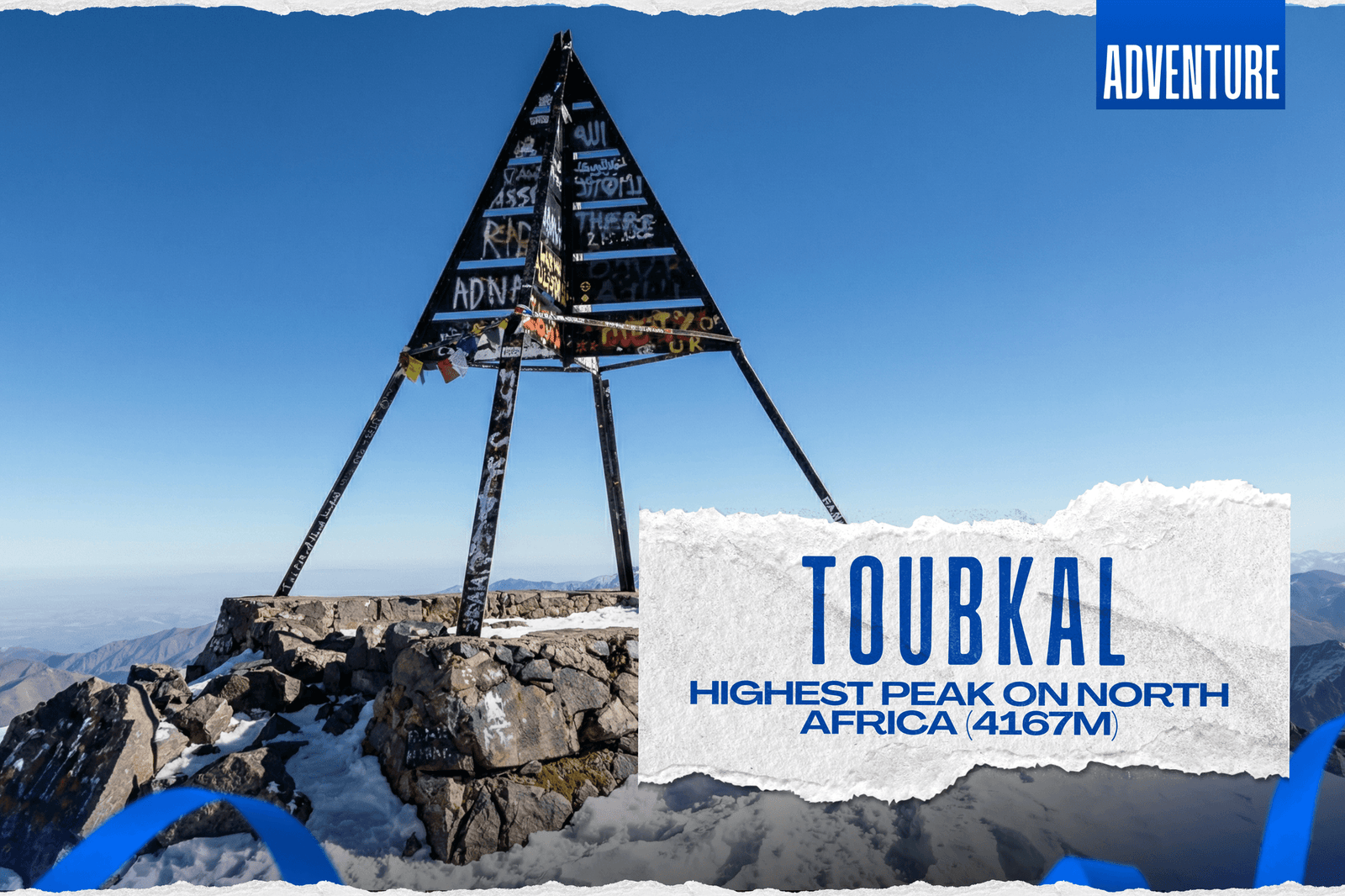
Mount Toubkal trek difficulty is often misunderstood. In dry summer conditions, the classic route is normally a strenuous hike rather than a technical climb. That does not make it easy. The challenge comes from altitude, long walking days, sustained ascent, loose ground, early starts and the physical effort required to descend after reaching the summit.
This guide gives a practical answer for travellers deciding whether Toubkal is realistic. Atlas Escapes recommends choosing the route and duration around your recent hiking experience, not just your available days in Morocco.
How hard is the standard Toubkal route?
The standard route from Imlil to the refuge and summit is demanding. Day one climbs steadily to the refuge area, while summit day can involve a pre-dawn start, steep terrain and a long descent. Fit hikers often complete it successfully, but people who are not used to long uphill walks may find it much harder than expected.
The route is not only about distance. Walking at altitude slows many people down, and the loose surface can make the descent tiring. Strong legs, patience and controlled pacing matter more than speed.
Fitness level needed
You do not need to be an elite athlete, but you should be comfortable walking for several hours on uneven ground. Recent hikes, hill walking, stairs, endurance training and carrying a daypack are more useful preparation than only doing flat gym workouts.
If your group includes different fitness levels, the three-day itinerary is often the better choice. It gives more time to settle into the mountain environment and reduces the feeling of rushing from city to summit.
Altitude and acclimatisation
Toubkal reaches 4,167 metres. Some travellers feel headache, poor sleep, reduced appetite or unusual fatigue before summit morning. These symptoms do not always mean the trek must stop, but they should be shared with the guide quickly.
A slower pace, hydration and honest communication are essential. The summit is never more important than a safe descent. A guide may change timing or turn the group around if altitude or weather makes the plan unsafe.
Seasonal difficulty
Summer and dry-season ascents are usually trekking routes. Winter can turn the mountain into a snow and ice ascent requiring crampons, an ice axe and the ability to move safely in colder conditions. Spring and autumn sit between these extremes depending on recent weather.
Do not judge difficulty from a single online trip report. Conditions change from week to week. Atlas Escapes checks the route and advises on equipment before departure.
A useful self-check is simple: if you can comfortably hike uphill for several hours on consecutive days, recover well after long descents and stay patient at a slow mountain pace, Toubkal is a realistic goal with the right itinerary. If not, start with Imlil or a longer acclimatisation plan.
Guest feedback
Rated by Atlas Escapes travellers
Practical answers