Mountain bases below the summit
Toubkal Refuge & Les Mouflons Guide
Learn about Toubkal Refuge and Les Mouflons, the main mountain refuges used during Mount Toubkal summit treks from Imlil.
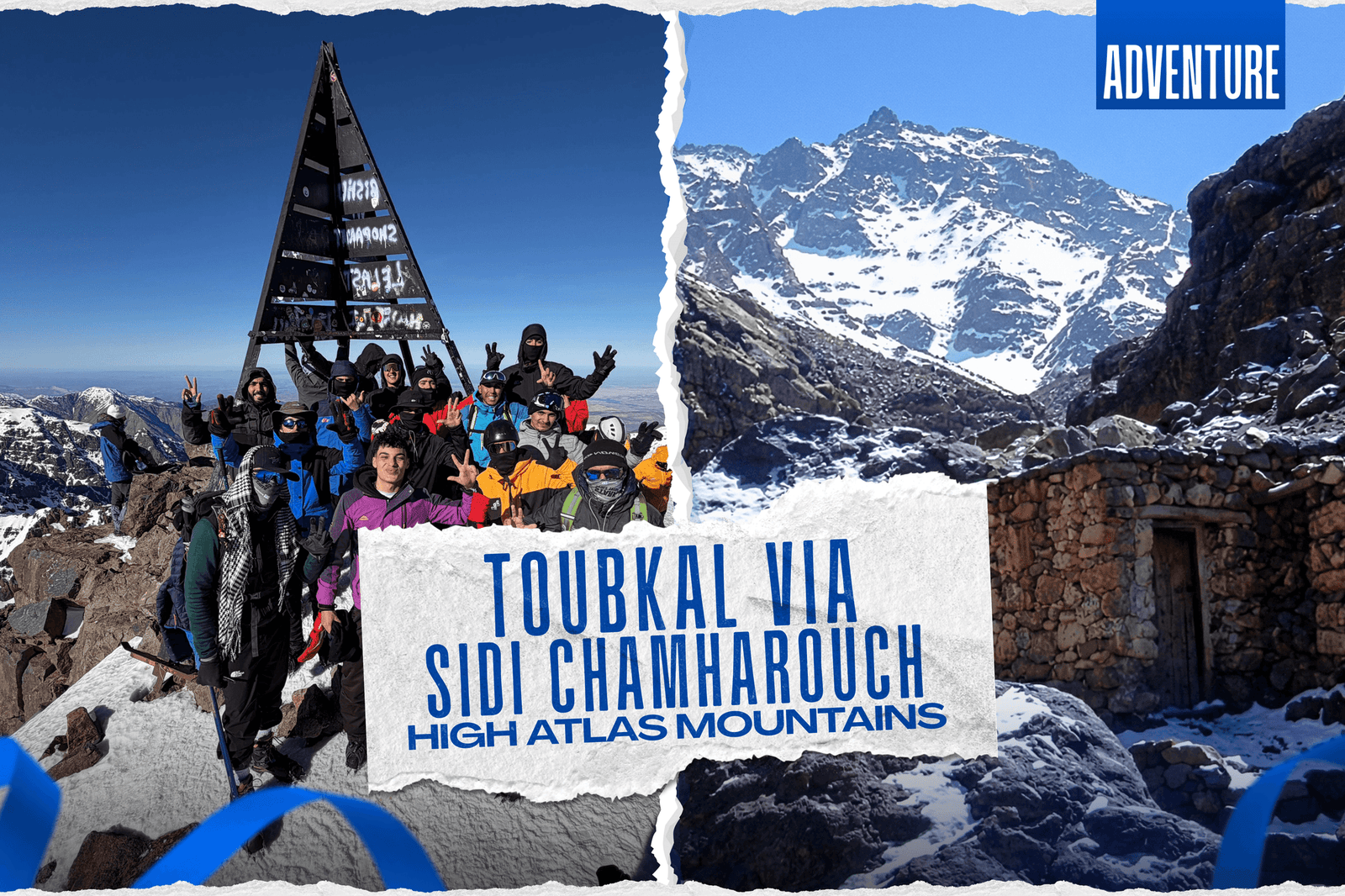
Toubkal Refuge and Les Mouflons are names travellers often see when researching Mount Toubkal. These mountain refuges sit in the high basin below the summit route and are used by many groups climbing from Imlil. The refuge night is not a luxury hotel stay; it is a practical base that supports the early start toward the summit.
Understanding the refuge experience helps you pack correctly, compare tour inclusions and avoid surprises. Atlas Escapes coordinates the selected refuge, guide, meals and timing as part of the full trek plan so visitors do not have to manage mountain logistics separately.
Where the refuges are located
The refuge area is reached by walking from Imlil through the upper valley, usually passing Aroumd and Sidi Chamharouch. The route gains height steadily and reaches roughly 3,200 metres. That altitude is already enough for some travellers to feel the thinner air, so arrival pace and hydration matter.
Toubkal Refuge and Les Mouflons are used as bases before summit morning. Exact services, room arrangements and availability can vary, so you should confirm the planned accommodation and what is included in your specific booking rather than assuming every package uses the same building.
What the refuge night is like
A refuge stay is functional. Expect shared spaces, simple sleeping arrangements, mountain meals and other trekking groups preparing for similar routes. Earplugs, a sleeping liner, warm layers and a headlamp can make the night easier.
The main purpose of the refuge is timing. Sleeping high allows an early departure for the summit, often before sunrise. The guide reviews weather, group energy and altitude response before committing to the next stage.
Altitude and comfort considerations
The fast gain from Imlil to the refuge area can affect even fit hikers. Headache, nausea, unusual fatigue or loss of appetite should be discussed with the guide. Hiding symptoms to keep up with the group is not helpful in the mountains.
Comfort is improved by arriving with time to drink, eat and organise equipment before dark. Rushing into the refuge late can make summit morning feel harder. A sensible pace on day one often pays off the next day.
From the refuge to the summit
The summit climb usually starts in darkness. Dry conditions involve steep, loose walking, while snow and ice can require crampons and an ice axe. The guide decides timing and route choices based on current conditions, not a fixed online description.
After the summit attempt, most groups return to the refuge before descending toward Imlil. Depending on the itinerary, the same day may continue to Marrakech or include another night in the mountains.
Practical answers