How to plan a mountain trip in Morocco
Morocco Trekking Guide
A practical Morocco trekking guide covering the High Atlas, Imlil, Mount Toubkal, trekking seasons, difficulty, guides and travel tips.
This Morocco trekking guide is for travellers who know they want mountains but are not sure which route, season or difficulty level makes sense. Morocco offers short day hikes, Toubkal summit treks, village circuits, remote High Atlas routes and combinations with desert or coast. The best choice depends on time, fitness and the kind of experience you want.
Atlas Escapes focuses on practical trekking from Marrakech and the High Atlas. That means clear transfers, local guides, realistic walking days, appropriate accommodation and honest advice about weather, altitude and preparation.
Where to trek in Morocco
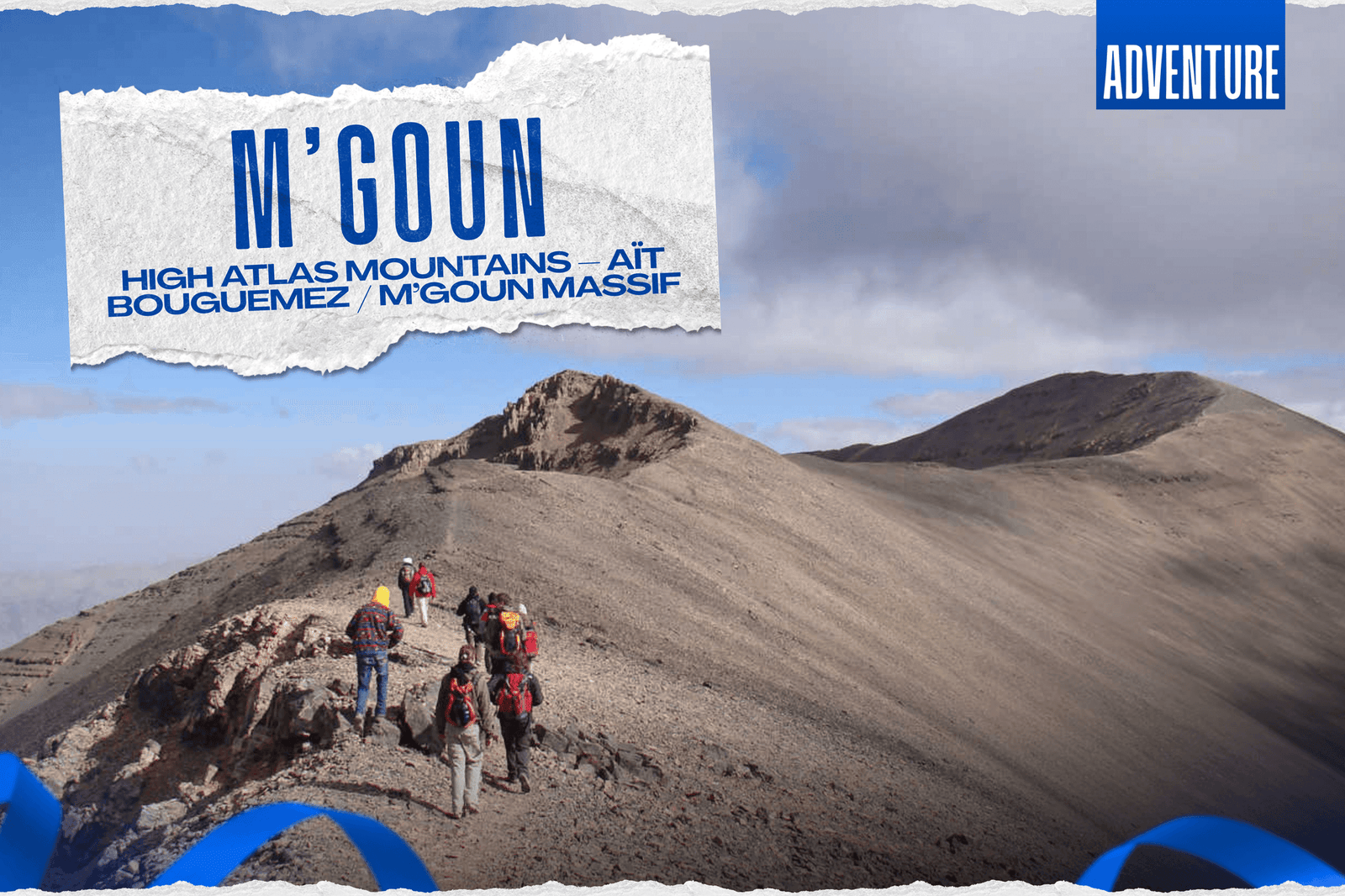
The High Atlas is the most useful starting point for many visitors. Imlil gives access to day hikes and Toubkal, while valleys such as Azzaden and Tamsoult create quieter circuits. M Goun and Ait Bouguemez can suit longer routes with more remote village landscapes.
Trekking can also be combined with Sahara or Atlantic travel, but distances in Morocco are real. A strong itinerary leaves enough time between regions instead of trying to rush mountains, desert and coast into too few days.
Difficulty and altitude
Morocco trekking ranges from easy valley walks to demanding high-altitude routes. Do not choose a trek only because the photos look good. Ask about walking hours, elevation gain, terrain, accommodation and whether altitude is part of the route.
Mount Toubkal is the most famous example. It is accessible from Marrakech, but the 4,167-metre summit makes altitude a genuine factor. A three-day plan may be more comfortable than a rushed two-day attempt for many visitors.
Best seasons for trekking
Spring and autumn are often strong seasons for the High Atlas. Summer can work well for higher trails with early starts, while winter changes routes around major summits and may require snow equipment. Lower routes and desert areas follow different patterns.
A good guide considers the exact route, not only the month. Recent snow, heat, rain or wind can change what is sensible. Build the plan around current conditions and group ability.
Guides, packing and local respect
A local guide supports more than navigation. They coordinate timing, accommodation, meals, village etiquette, weather decisions and safety. In lived-in mountain areas, they also help visitors understand the communities they pass through.
Pack comfortable footwear, layers, sun protection, personal medication and a realistic daypack. Ask before photographing people, carry waste out and respect water sources. Responsible trekking makes the trip better for everyone involved.
When in doubt, choose the simpler route and do it well. A realistic trek with good pacing, clear logistics and time for local context will usually be more memorable than an overloaded itinerary that tries to cover every famous name in one trip.
Practical answers