Season-by-season mountain planning
Best Time to Climb Mount Toubkal
Find the best time to climb Mount Toubkal, including spring, summer, autumn and winter trekking conditions in the High Atlas.
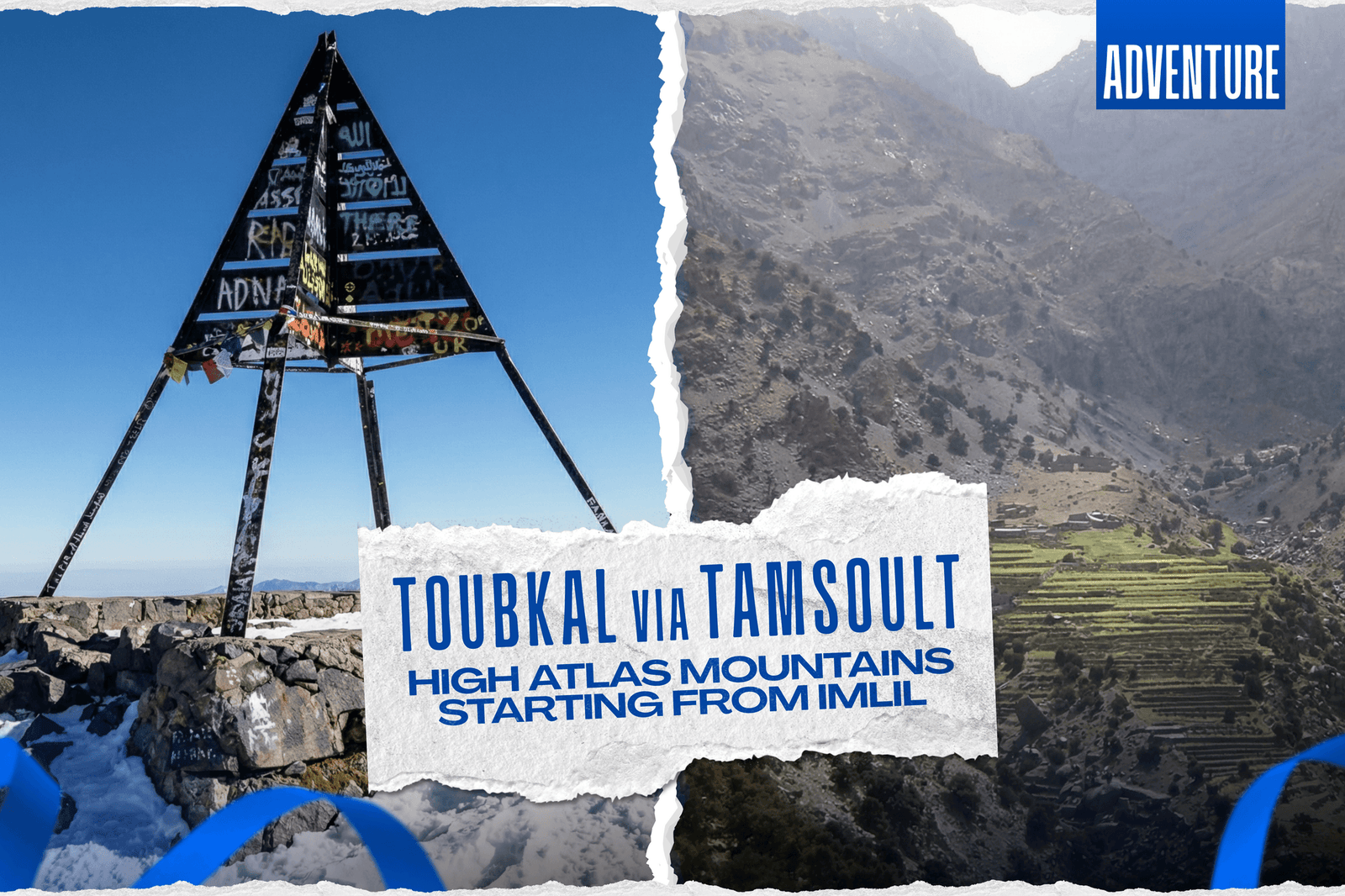
The best time to climb Mount Toubkal depends on the kind of mountain experience you want. Spring and autumn are often the most balanced seasons, summer is popular for dry trails and early starts, and winter can create a more serious snow ascent. The same route can feel very different depending on temperature, daylight, wind and snow.
Atlas Escapes plans Toubkal treks around actual conditions, not just a calendar. This guide explains the main seasonal differences so you can choose dates that match your fitness, equipment and expectations.
Spring on Mount Toubkal
Spring can bring a beautiful contrast between greener valleys and snow remaining on higher slopes. Temperatures are often more comfortable than summer, but conditions can vary widely. Some weeks may feel like trekking; others may still require snow awareness and warmer equipment.
Spring is a strong choice for travellers who want scenery and moderate temperatures, provided they remain flexible. A guide can advise whether the current route is dry, mixed or still winter-like in higher sections.
Summer on Mount Toubkal
Summer is popular because trails are often dry and the route is easier to follow in non-winter conditions. However, the sun can be strong and early starts are important. The difference between Marrakech heat and high mountain air can surprise visitors.
Hydration, sun protection and pacing matter in summer. The summit day still starts early, and cold wind is possible even when Marrakech is hot. Do not pack only for city weather.
Autumn on Mount Toubkal
Autumn is often one of the best seasons for a guided Toubkal trek. Temperatures can be stable, skies can be clear and the summer heat usually softens. It is a good period for hikers who want a classic trekking feel without winter equipment.
Later autumn can become colder, especially at the refuge and before sunrise. Warm layers are still essential, and weather checks remain important before committing to the summit plan.
Winter on Mount Toubkal
Winter changes Toubkal significantly. Snow and ice can make the route more technical, requiring crampons, an ice axe and the confidence to use them. Cold, wind and shorter daylight also affect the itinerary.
Winter can be rewarding for experienced mountain travellers, but it is not the easiest first Toubkal attempt. If your experience is mostly warm-weather hiking, ask Atlas Escapes whether another season or a three-day schedule would be more suitable.
Whatever month you choose, keep one principle in mind: mountain conditions are more important than the calendar. A guide may recommend an earlier start, extra layers, different equipment or a changed plan when weather makes the standard schedule less sensible.
Practical answers